

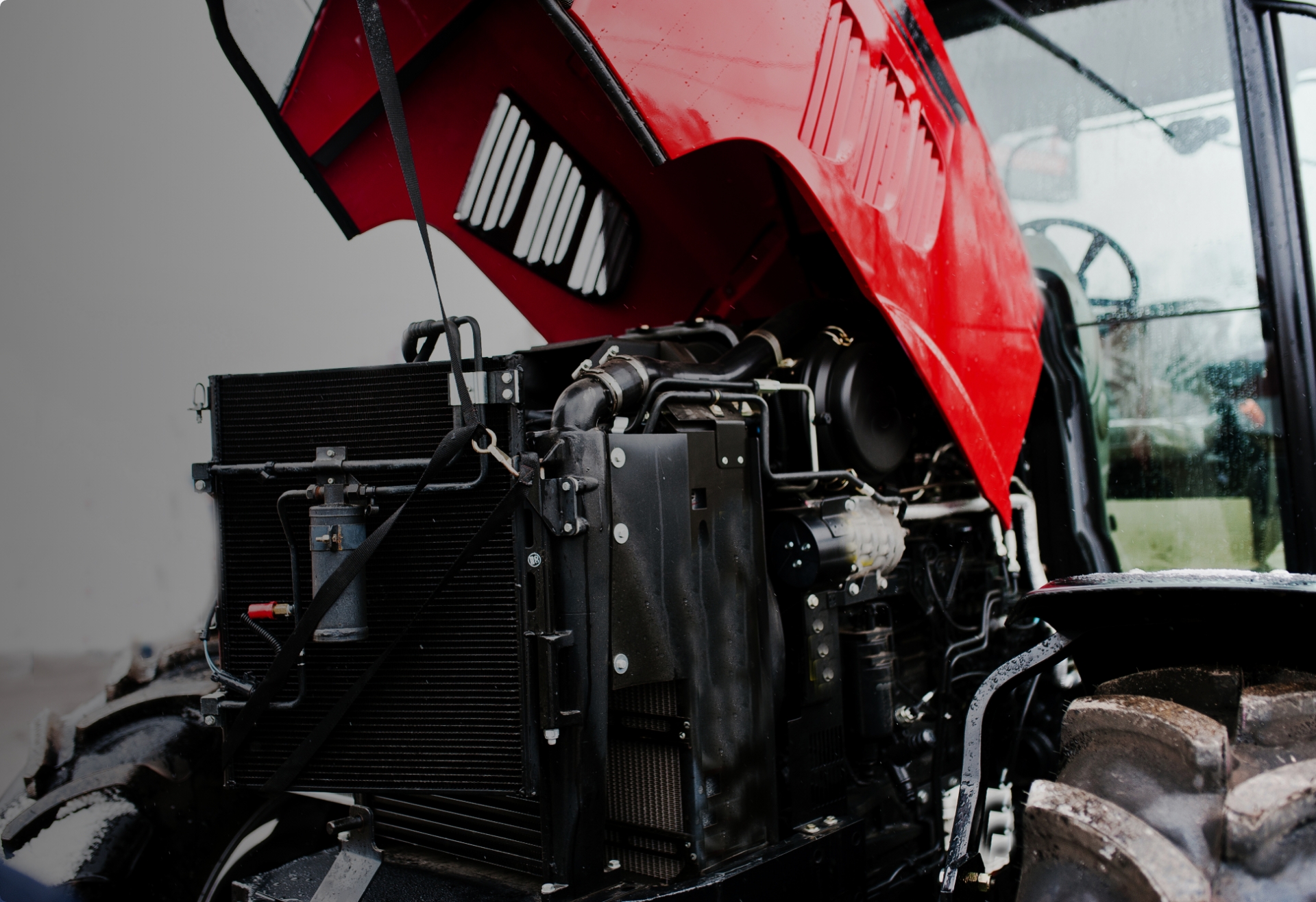
Winter can be one of the toughest seasons on your tractor. Cold mornings, heavy rain, muddy paddocks and shorter daylight hours all place extra demands on your machine. A small issue that goes unnoticed before winter can become an expensive repair when you need your tractor most.
Whether you're feeding stock, moving baleage, working vineyards or maintaining lifestyle blocks, taking the time to prepare your tractor before winter arrives can help reduce downtime, improve reliability and extend the life of your equipment.
In this guide, we'll walk through a practical winter tractor maintenance checklist designed for New Zealand farming conditions. You'll also find recommendations on the key parts to inspect or replace before winter, helping you stay ahead of unexpected breakdowns.
Why Winter Tractor Maintenance Matters
Winter places additional stress on every major system of your tractor.
Cold temperatures make engines harder to start. Increased moisture can lead to corrosion, while muddy conditions place greater strain on driveline components, bearings and hydraulic systems. Even something as simple as a weak battery can leave you stranded when you need to get feed out before sunrise.
A preventative inspection before winter is far less expensive than an emergency repair during the middle of the season.
Benefits include:
- Improved starting on cold mornings
- Reduced breakdowns
- Longer engine life
- Better hydraulic performance
- Lower repair costs
- Increased safety during wet conditions
What Tractor Maintenance Should I Do Before Winter in NZ?
Before winter arrives, inspect your battery, engine oil, filters, coolant, hydraulic system, tyres, belts, hoses and electrical components. Grease all moving parts, drain water from fuel systems where required and replace worn service items before they become larger problems.
Regular preventative maintenance helps reduce costly downtime throughout the New Zealand winter.
Your Complete Winter Tractor Maintenance Checklist
Inspect Your Battery
Cold weather places extra demand on your battery.
If your battery is already showing signs of weakness, winter will often expose the problem.
Check for:
- Corroded terminals
- Loose connections
- Damaged cables
- Low voltage
- Slow cranking
Cleaning the terminals and ensuring connections are tight can improve starting performance. If your battery is nearing the end of its service life, replacing it before winter is far better than being caught out during a busy morning.
Helpful products:
- Batteries
- Alternators
- Starter Motors
- Electrical Parts
Change Engine Oil if It's Due
Fresh oil protects your engine during cold starts when lubrication is most important.
Old oil contains contaminants that reduce its ability to protect internal engine components.
If your scheduled service is approaching, winter is the ideal time to complete it.
While changing the oil, always replace the oil filter to ensure the fresh oil remains clean.
Replace Oil & Fuel Filters
Filters play an important role in protecting your engine.
Blocked filters reduce performance and place unnecessary strain on the fuel and lubrication systems.
Before winter, inspect and replace:
- Engine oil filters
- Fuel filters
- Hydraulic filters
- Transmission filters where applicable
Replacing filters during scheduled servicing is inexpensive insurance against much larger repairs.
Check the Air Filter
Winter doesn't eliminate dust.
Hay feeding, silage work and dry spells can still clog air filters.
Inspect the filter for:
- Dirt build-up
- Moisture damage
- Tears
- Excessive restriction
A clean air filter improves fuel economy and engine performance.
Inspect Hydraulic Oil
Hydraulic systems work harder during winter.
Water contamination can enter the system through condensation or damaged seals.
Signs of contaminated hydraulic oil include:
- Milky appearance
- Sluggish operation
- Noisy hydraulic pumps
- Reduced lifting power
If contamination is present, replace the oil and hydraulic filters before damage occurs.
Check Coolant Levels
Your cooling system protects far more than engine temperature.
Coolant also prevents corrosion inside the engine.
Inspect:
- Radiator
- Overflow bottle
- Hoses
- Clamps
- Water pump area for leaks
Replace coolant according to your manufacturer's service schedule.
Grease Every Lubrication Point
Greasing removes moisture and protects moving parts.
Pay particular attention to:
- Loader pivots
- Steering joints
- PTO shafts
- Three-point linkage
- Front axle pivots
- Universal joints
Fresh grease creates a barrier against water and mud entering bearings.
Inspect Belts and Hoses
Rubber components become brittle over time.
Look for:
- Cracks
- Fraying
- Bulges
- Oil contamination
- Loose tension
Replacing a worn belt during servicing is much cheaper than replacing one after it fails in the paddock.
Check Tyres
Tyres provide traction and stability during wet conditions.
Inspect for:
- Correct tyre pressures
- Uneven wear
- Sidewall cracking
- Embedded stones
- Cuts
Good tyres improve safety and reduce wheel slip.
Test Lights and Electrical Systems
Winter often means early starts and late finishes.
Check every light including:
- Headlights
- Indicators
- Brake lights
- Work lights
- Beacon lights
Replace blown globes and repair damaged wiring before poor weather arrives.
Drain Water From Fuel Systems
Water contamination is one of the leading causes of diesel problems during winter.
If your tractor uses a water separator, inspect and drain it according to manufacturer recommendations.
Clean fuel protects injectors and improves reliability.
Store Your Tractor Under Cover
Whenever possible, keep your tractor protected from the weather.
Covered storage helps reduce:
- Rust
- Paint deterioration
- Electrical issues
- Water ingress
- UV damage
Even a simple shed can significantly extend the life of your machine.
Common Winter Tractor Problems
| Problem | Possible Cause | Prevention |
|---|---|---|
| Hard starting | Weak battery | Test battery before winter |
| Hydraulic issues | Contaminated oil | Replace oil and filters |
| Overheating | Low coolant | Inspect cooling system |
| Electrical faults | Moisture | Check wiring and connectors |
| Fuel issues | Water contamination | Drain water separator |
| Corrosion | Outdoor storage | Store under cover |
Replace Worn Parts Before They Fail
Preventative maintenance is always more affordable than emergency repairs.
If you notice excessive wear while completing your winter inspection, replacing the component before failure helps minimise downtime during the busiest months of the year.
AgSpares stocks a wide range of quality new and used tractor parts to help keep your machine working throughout winter.
Browse our range of:
- Filters
- Engine Oils
- Hydraulic Oils
- Batteries
- Starter Motors
- Alternators
- Electrical Parts
If you're unsure which parts suit your tractor, our team is happy to help identify the correct components.
Keep Your Tractor Working This Winter
A little preparation before winter can save hours of downtime when your tractor is needed most.
By inspecting key systems, replacing worn service items and keeping up with scheduled maintenance, you'll improve reliability, extend the life of your equipment and reduce unexpected repair costs.
Whether you run a dairy farm, orchard, vineyard or lifestyle block, staying ahead of maintenance is one of the best investments you can make.
Need Tractor Parts?
Looking for quality tractor parts before winter arrives?
AgSpares supplies new and used tractor parts for a wide range of makes and models across New Zealand. From filters and oils through to electrical components and replacement parts, our experienced team can help you find what you need.
Contact the AgSpares team today for expert advice and fast nationwide delivery.
Frequently Asked Questions
What tractor maintenance should I do before winter in NZ?
Before winter, inspect your battery, change engine oil if it's due, replace filters, check coolant levels, inspect tyres, grease moving components, test lights and drain water from the fuel system where required.
Should I change my tractor oil before winter?
If your scheduled service is approaching, winter is an ideal time to change your engine oil. Fresh oil provides better lubrication during cold starts and helps protect internal engine components.
How often should I grease my tractor?
Greasing intervals vary depending on the manufacturer and operating conditions. Tractors working in wet or muddy environments often require more frequent greasing to prevent moisture entering bearings and pivot points.
Why won't my tractor start on cold mornings?
Common causes include a weak battery, poor electrical connections, contaminated fuel, worn starter motor or ageing glow plugs. A pre-winter inspection can identify many of these issues before they become a problem.
Can cold weather damage hydraulic systems?
Cold temperatures alone won't damage hydraulic systems, but contaminated hydraulic oil and moisture inside the system can reduce performance and increase wear. Regular oil and filter changes help keep hydraulics operating correctly.
Is winter a good time to service my tractor?
Yes. Completing scheduled servicing before winter reduces the risk of breakdowns during the busiest months and helps ensure your tractor remains reliable throughout the season.