R1 or R2? How to Choose the Right Tractor Tyre Tread for NZ Mud
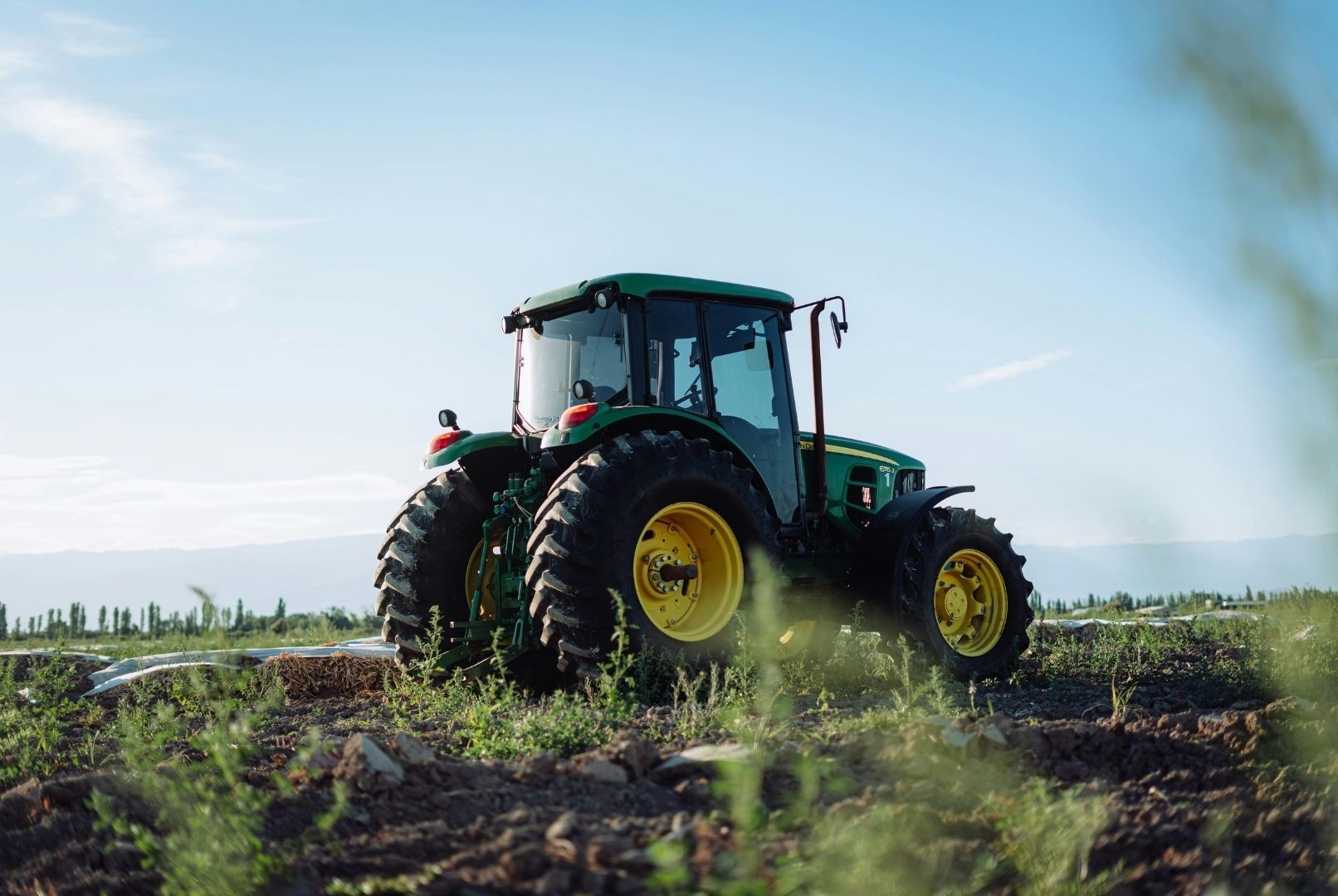
Tractor tyres come with their own language.
R1. R1W. R2. Ply ratings. PCD. Offset.
If it feels like alphabet soup, you are not alone.
Choosing the right tractor tyre tread patterns is not about the aesthetics. It is about matching your terrain, your workload, and your tractor setup. Get it wrong and you lose traction, chew fuel, and wear tyres faster than you should.
Let’s break it down in plain terms.
Decoding the Code - R1, R1W, and R2
R1 - The Standard Workhorse
R1 is the most common agricultural tread pattern. It is designed for general farm work across mixed conditions.
It suits:
- Dry to moderate soil.
- Rolling pasture.
- General cultivation and field work.
The lugs are angled and spaced to provide grip while still clearing soil as the tyre rotates. For many NZ farms, R1 is the reliable all-rounder.
R1W - Built for Wet Conditions
The W stands for wet.
R1W tyres have deeper lugs than standard R1 tyres. That extra depth gives better traction in soft ground and heavy clay.
If you are working through Northland winters or wetter Waikato blocks, R1W gives you more bite before things turn into wheel spin.
R2 - The Mud Specialist
R2 tyres are designed for extreme conditions. Think swampy ground, heavy irrigation areas, or paddy-style work.
They have even deeper, more aggressive lugs. The spacing helps eject mud instead of letting it pack between the treads.
Which tyre is best for New Zealand mud? Look for R1W or R2 tractor tyre tread patterns. Their deeper, self-cleaning “teeth” kick mud out instead of letting it build up and turn your tyre into a slick.
If your tractor spends more time spinning than moving forward, it is usually a tread choice issue.
Ply Ratings & Load - Don’t Pop Under Pressure
The next bit of jargon is Ply Rating, often marked as PR.
Ply Rating does not mean the tyre literally has that number of layers. It is a strength rating.
Higher PR means:
- Stronger sidewalls.
- Greater load capacity.
- Better resistance to punctures under heavy implements.
If you are running heavy mowers, balers, or loaders, you need a tyre that can handle the weight without bulging or failing.
Underrated tyres flex too much. That leads to heat build-up, faster wear, and risk of failure.
Match your tyre ply rating to the weight you carry. If you are unsure, check the load index stamped on the sidewall or talk to us before ordering.
The DIY Guide to Measuring Rims & Bolt Patterns
Buying tyres is one thing. Making sure the rim fits your tractor hub is another.
Here is how to measure properly.
Step 1: Measure the Bolt Pattern
This is often called PCD, which stands for Pitch Circle Diameter.
For even-number bolt patterns:
- Measure from the centre of one bolt hole directly across to the centre of the opposite hole.
For odd-number bolt patterns:
Measure from the centre of one hole to the outer edge of the hole directly across.
This gives you the diameter of the bolt circle. If this measurement is wrong, the rim will not seat correctly on the hub.
Accurate tractor wheel bolt pattern measurement saves you from returns and downtime.
Step 2: Check Rim Diameter & Width
Confirm:
- Rim diameter in inches.
- Rim width between bead seats.
Both must match the tyre specification. Too narrow or too wide and you compromise performance and safety.
Step 3: Understand Offset
Offset is how far the mounting surface sits from the centreline of the rim.
Positive or negative offset changes track width.
Get it wrong and:
- Your tractor may sit too wide for rows.
- Or too narrow for stability on hills.
Correct offset keeps the tractor stable and aligned with your row spacing.
Quick Comparison - Tractor Tyre Tread Types
| Tread Type | Best For | Key Benefit |
|---|---|---|
| R1 | General farm work | Balanced traction and wear |
| R1W | Wet and soft soil | Deeper lugs for improved grip |
| R2 | Swampy or extreme mud | Maximum traction and mud ejection |
If you are unsure which suits your land, think about where you lose traction most often. That tells you more than any code on the sidewall.
Need Help Choosing the Right Tyres?
Tyres are not just rubber. They are what transfer power from your tractor to the ground.
The right tractor tyre tread patterns improve traction. The right ply rating protects against load stress. The correct tractor wheel bolt pattern measurement ensures the rim fits first time.
If you want help choosing between R1 vs R2 tyres in NZ conditions, get in touch with AgSpares.
Call 09 437 9036 or visit agspares.co.nz and tell us:
- Your tractor model.
- Your typical terrain.
- The work you are doing.
We will help you cut through the jargon and get the right setup.