

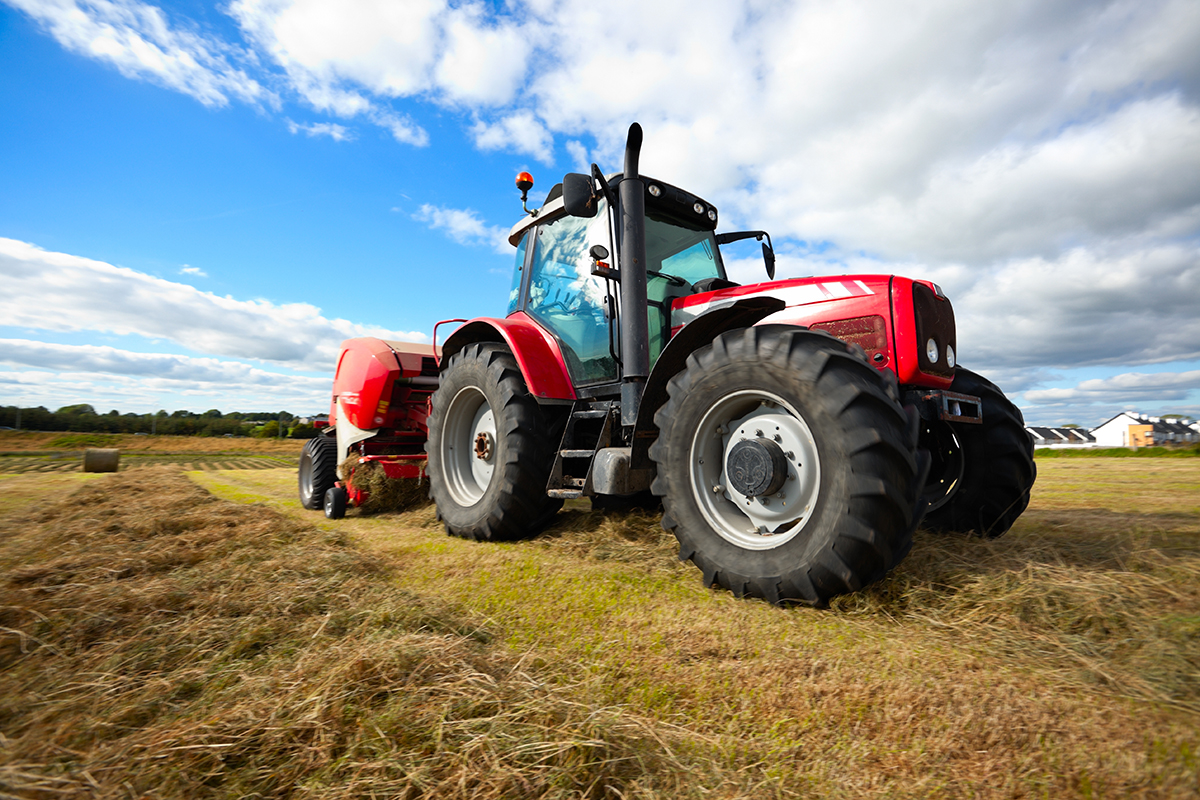
Getting the timing right for hay cutting in New Zealand can be a bit of a juggling act. One week the paddock looks perfect; the next, seed heads are popping and the forecast has gone sideways. Every farm has its own rhythm, but the clues for paddock readiness are pretty consistent. If you know what to look for-grass maturity, moisture levels, soil conditions, and the right weather window - you can make hay that dries well, stores well, and keeps stock happy through winter.
This guide walks through the key signs your paddock is ready, how timing shifts from Northland to Southland, how different pasture species behave, and the common traps farmers fall into. You’ll also find some practical reminders on mower blades, tedders and PTO parts, with links to AgSpares’ haymaking gear to help you head into hay season prepared.
When Is the Ideal Time to Cut Hay in NZ?
New Zealand’s hay season typically runs from late spring to mid-summer, but the exact timing depends heavily on where you farm.
You’re generally looking for:
-
Warm, settled days
-
Light winds
-
Low humidity
-
A 3–5 day run of fine weather
-
Grass at the right growth stage
But NZ being NZ, the regional differences are pretty noticeable.
Regional Timing Snapshot
-
Northland & Far North: Late October – Early December
-
Waikato, BOP, Central NI: Mid November – Mid December
-
Taranaki & Manawatū: Late November – Late December
-
Hawke’s Bay / East Coast: Late November – Early January
-
Canterbury: Early December – Early January
-
Otago & Southland: Mid December – Mid January
Northland warms up fast, Canterbury dries quickly thanks to nor’westers, and Southland often needs the longest window due to cooler nights.
Signs Your Paddock Is Ready to Cut
Grass at the Boot Stage
This is the number one readiness signal. At the boot stage, the seed head is sitting inside the stem but hasn’t burst out. Cut now and you’ll get the best mix of:
-
Good feed quality
-
Decent yield
-
Faster drying
Once the seed head fully emerges, feed quality drops quickly.
Seed Heads Just Starting to Show
A few shows are fine-it usually means you’re right on time. But if the whole paddock is waving at you, you’re getting late in the game.
Height Around 30–40 cm
Shorter than this and you’ll end up with light bales. Much taller and the stems can get too thick, making drying slower.
Moisture Levels Are Right
Give the grass a twist. If juice squeezes out, it’s still too wet. Stems should bend firmly without feeling sappy. Moisture is one of the biggest factors in getting hay to cure properly.
A 3–5 Day Weather Window Is Coming
Fine weather is the make-or-break factor. You want:
-
Sunny days
-
Light to moderate breezes
-
Low humidity
-
No rain in sight
Soil Surface Is Dry
The ground should be dry on the surface, if the soil is still holding moisture, the cut grass will re-absorb it and slow down drying.
Paddock Looks Clean and Even
Heavy weed pressure or fungal patches can impact hay quality. Check gullies, shady areas and ridges for consistency.
How Ryegrass, Clover and Mixed Pastures Show They’re Ready
Most Kiwi farmers cut hay off mixed pastures, so understanding species behaviour helps fine-tune timing.
Ryegrass
-
Boot stage is your best indicator
-
Seed heads just beginning to poke out
-
Lower leaves may yellow slightly as the plant matures
-
Offers the clearest readiness signals
Clover
-
Best cut when leafy, with early flower buds forming
Avoid full-flowering clover-it becomes stalky and slow to dry -
Clover retains moisture longer than ryegrass, so allow extra drying time
Mixed Pastures
-
Use ryegrass maturity as the main cue
-
Clover should not be in full bloom yet
-
Herbs like plantain elongate before bolting-cut before they go woody
-
Look for overall even height and density
A Simple Step-by-Step Check for Paddock Readiness
-
Walk the paddock and look at multiple areas.
-
Check the growth stage-ideally the boot stage.
-
Check height (30–40 cm).
-
Twist stems to check moisture.
-
Check the soil-make sure it’s dry and firm.
-
Look at density and evenness.
-
Note any weeds or disease pockets.
-
Verify a 3–5 day weather window.
-
Make sure gear is ready before mowing.
Moisture and Drying Conditions in NZ
New Zealand’s weather can make or break a hay crop, which is why knowing moisture levels matters just as much as knowing growth stages.
Ideal moisture levels:
-
Below 75–80% at cutting
-
15–20% at baling
Drying conditions to look for:
-
Dew gone by mid-morning
-
Good sunshine
-
Light winds
-
Low humidity
-
No fronts or showers on the horizon
High humidity areas-like Northland and Waikato-need more time to dry. Dry regions-like Canterbury and Hawke’s Bay-often dry quickly under nor’westers. Southland and Otago usually need the longest window thanks to cooler overnight temperatures.
Cutting too wet leads to mould, heating, caramelised stems, and bales that don’t store well. Cutting too dry leads to leaf shatter and lost nutrition.
Common Mistakes
Cutting Too Early
-
Low yield
-
Stems too lush to cure fast
-
Lower feed quality
-
Slower regrowth
-
Leaf loss when tedding
Cutting Too Late
-
Coarse, stalky hay
-
Thick stems that trap moisture
-
Higher chance of mould or heating
-
Stock waste more
-
Heavy windrows slow down mowing and baling
The best hay usually comes from striking the middle ground: grass that’s mature but not overdone, with a reliable forecast in front of you.
Check Your Gear Before Hay Season
A fine-weather window doesn’t wait for breakdowns. Before cutting your first paddock, give your machinery a once-over.
Key items to check:
-
Mower blades - sharp blades give a clean, even cut
-
Belts and skids - worn parts cost time and fuel
-
Tedder tines and rake arms - essential for even drying
-
PTO shafts, guards and pins - keep everything safe and running smoothly
If some parts are looking tired, AgSpares has you covered. Their mower blades, belt kits, tedder tines, rake parts and PTO components are all in stock in the haymaking parts and equipment range-handy to sort before the season gets busy.
Quick Hay Readiness Checklist
-
Grass at boot stage
-
Height of 30–40 cm
-
No sap in the twist test
-
Dew fully gone
-
Soil firm and dry
-
Even growth across the paddock
-
Low weed pressure
-
3–5 day drying window coming
-
Mower, tedder and rake checked and ready
Good hay comes from good timing. When your grass is at the right maturity, moisture levels are low, and the forecast finally plays ball, you’re in the best position to make hay that will store cleanly and feed well. And with a bit of prep-sharp blades, tidy tines, reliable PTO gear-you’ll be ready to take advantage of whatever fine-weather windows the season gives you.
If you need fresh mower blades, belts, rake tines or other consumables, check out AgSpares’ haymaking equipment and parts. A few quick replacements now can save you a heap of downtime when the weather turns in your favour.
FAQs
When is the best time to cut hay in New Zealand?
The best time to cut hay is when pasture has reached good growth, moisture levels are right, and a dry weather window is available for curing.
How do I know if grass is ready for hay cutting?
Grass is usually ready when seed heads begin to appear and there is enough dry matter for a good yield without losing feed quality.
Why does weather matter when cutting hay?
Dry weather is important because cut hay needs time to dry properly before baling. Rain can reduce quality and increase spoilage.
What machinery is commonly used for hay cutting?
Mowers, tedders, rakes, and balers are commonly used to cut, turn, gather, and bale hay.
Should tractor equipment be checked before hay season?
Yes, checking blades, belts, PTO connections, tyres, and hydraulic systems helps avoid breakdowns during hay work.
Can tyre condition affect hay cutting performance?
Yes, good tyre grip and correct pressure help tractors handle paddock conditions and machinery load more effectively.
Where can I get tractor parts for hay season in New Zealand?
AgSpares stocks tractor parts and machinery components to help keep hay equipment working during the season.