

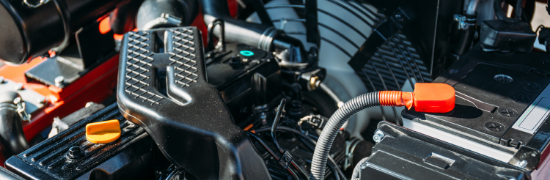
Whether you're running a busy dairy operation, managing an orchard, or maintaining a lifestyle block, regular servicing is one of the simplest ways to extend the life of your tractor.
One of the most common questions we hear is, "How often should I change my tractor oil?"
The answer depends on several factors, including your tractor's make and model, the hours it's worked, the conditions it's operating in and the manufacturer's recommendations.
Changing your engine oil and replacing filters at the correct intervals helps protect expensive engine components, improve performance and reduce the risk of unexpected breakdowns.
In this guide, we'll explain recommended oil and filter service intervals, what affects those intervals, and how to recognise when your tractor may need servicing sooner.
Why Regular Tractor Oil Changes Matter
Your engine oil does far more than lubricate moving parts.
It helps:
- Reduce friction
- Remove contaminants
- Prevent corrosion
- Carry heat away from engine components
- Protect internal bearings and moving surfaces
Over time, oil breaks down and becomes contaminated with dirt, soot, fuel residue and microscopic metal particles. As oil loses its protective qualities, engine wear increases.
Replacing both the oil and filters at the correct intervals is one of the best investments you can make in your tractor.
How Often Should I Change My Tractor Oil?
Most tractors should have their engine oil changed every 100 to 250 operating hours, depending on the manufacturer's recommendations, operating conditions and the type of oil being used.
If your tractor works in demanding conditions such as muddy paddocks, dusty environments, heavy loader work or frequent stop-start operation, more frequent servicing may be recommended.
As a general guide:
- Light use: Follow the manufacturer's recommended service interval.
- Heavy use: Consider servicing toward the lower end of the recommended hours.
- Seasonal use: Even tractors with low annual hours should have oil changed at least once every 12 months.
Always refer to your owner's manual for the recommended service schedule for your specific tractor model.
Typical Tractor Oil & Filter Change Intervals
The table below provides general service intervals used across many modern tractors. These are intended as a guide only and should always be confirmed against your manufacturer's recommendations.
| Component | Typical Service Interval |
|---|---|
| Engine Oil | Every 100–250 hours |
| Engine Oil Filter | Replace with every oil change |
| Fuel Filter | Every 250–500 hours |
| Air Filter | Inspect every 50 hours, replace when required |
| Hydraulic Oil | Every 500–1,000 hours |
| Hydraulic Filter | Replace during hydraulic oil service |
| Transmission Oil | Every 500–1,000 hours |
| Coolant | As specified by manufacturer |
Keeping accurate service records makes it much easier to stay on top of maintenance and avoid costly repairs.
Recommended Service Intervals by Popular Tractor Brands
Every manufacturer has its own maintenance schedule, and service intervals can vary between models and production years.
Below is a general reference guide for some of the most common tractor brands found across New Zealand.
| Tractor Brand | Engine Oil | Hydraulic Oil |
|---|---|---|
| John Deere | Refer to owner's manual | Refer to owner's manual |
| Massey Ferguson | Refer to owner's manual | Refer to owner's manual |
| New Holland | Refer to owner's manual | Refer to owner's manual |
| Case IH | Refer to owner's manual | Refer to owner's manual |
| Kubota | Refer to owner's manual | Refer to owner's manual |
| Deutz-Fahr | Refer to owner's manual | Refer to owner's manual |
| Fendt | Refer to owner's manual | Refer to owner's manual |
Modern tractors often include service reminders, while older machines rely on accurate hour meter readings and maintenance records.
What Can Affect Oil Change Intervals?
Not every tractor operates under the same conditions. Several factors can reduce the lifespan of your engine oil, including:
Heavy Workloads
Loader work, cultivation and towing heavy implements generate more heat, causing oil to degrade faster.
Dusty Conditions
Dust increases the amount of contamination entering your engine, placing greater demand on both the oil and air filter.
Frequent Short Trips
Tractors that rarely reach operating temperature can develop moisture inside the engine, reducing oil performance.
Older Engines
Engines with higher operating hours may benefit from more frequent oil changes due to increased wear.
Seasonal Use
Even tractors with low annual hours should receive regular servicing to remove moisture and contaminants that build up over time.
Signs Your Tractor Needs an Oil Change
Sometimes your tractor will tell you it needs servicing before you've reached the recommended service interval.
Watch for signs such as:
- Dark or dirty engine oil
- Low oil pressure warning light
- Excessive engine noise
- Increased exhaust smoke
- Reduced fuel efficiency
- Engine running hotter than normal
- Sluggish performance
Ignoring these warning signs can lead to expensive engine repairs.
When Should Tractor Filters Be Replaced?
Changing the oil without replacing the filters means contaminants remain inside the system.
For the best protection, replace filters according to your manufacturer's service schedule.
Engine Oil Filters
Replace every time you change your engine oil.
Fuel Filters
Fuel filters remove water and contaminants before they reach injectors. Dirty filters can reduce engine performance and increase fuel consumption.
Air Filters
Inspect regularly and replace when dirty or damaged.
Clean air filters improve engine efficiency and reduce wear.
Hydraulic Filters
Hydraulic filters protect pumps, valves and hydraulic components from contamination.
Replace them whenever hydraulic oil is changed or sooner if recommended.
Should You Choose Genuine or Aftermarket Filters?
Quality matters when it comes to replacement filters.
Many quality aftermarket filters are manufactured to meet or exceed original equipment specifications, making them a reliable and cost-effective option for many tractors.
The key is selecting the correct filter for your make and model.
If you're unsure, the AgSpares team can help identify the right replacement parts for your machine.
Simple Tips to Extend Oil Life
Regular servicing is important, but a few simple habits can also help maximise the life of your engine oil.
- Warm the engine before placing it under heavy load.
- Keep the air filter clean.
- Repair oil leaks promptly.
- Use the correct oil grade recommended by the manufacturer.
- Replace filters during scheduled servicing.
- Keep water out of fuel systems.
- Record service hours after every maintenance interval.
Good maintenance habits can add years to the life of your tractor.
Don't Forget About Hydraulic Oil
Engine oil often receives the most attention, but your hydraulic system is just as important.
Hydraulic oil lubricates pumps, valves and cylinders while transferring power throughout the system.
Old or contaminated hydraulic oil can lead to:
- Sluggish hydraulics
- Increased component wear
- Reduced lifting performance
- Expensive pump failures
Inspect hydraulic oil regularly and replace it according to your manufacturer's recommended service intervals.
Keep Your Tractor Running at Its Best
Routine oil and filter changes remain one of the simplest and most cost-effective ways to protect your investment.
By following the correct service schedule, replacing filters when required and using quality replacement parts, you'll improve reliability, reduce downtime and extend the life of your tractor.
Whether you're servicing one tractor or an entire fleet, preventative maintenance always costs less than major repairs.
Need Tractor Filters or Service Parts?
AgSpares stocks a wide range of quality replacement parts for many of New Zealand's most popular tractor brands.
From engine oil filters and hydraulic filters through to fuel filters, air filters, oils and replacement service parts, our experienced team can help you find exactly what you need.
Contact the AgSpares team today for expert advice and fast nationwide delivery.
Frequently Asked Questions
How often should I change my tractor oil in NZ?
Most tractors require an engine oil change every 100 to 250 operating hours, depending on the manufacturer's recommendations, operating conditions and oil type. Tractors working in demanding environments may require more frequent servicing.
Should I replace the oil filter every time I change the oil?
Yes. Replacing the oil filter with every oil change helps ensure fresh oil remains clean and provides the best possible protection for your engine.
How often should hydraulic oil be changed?
Hydraulic oil is commonly replaced every 500 to 1,000 operating hours, although this varies between manufacturers and tractor models. Always follow your owner's manual.
How often should I replace my tractor fuel filter?
Fuel filters are generally replaced every 250 to 500 operating hours or during scheduled servicing. Dirty fuel filters can reduce engine performance and increase fuel consumption.
Can I leave tractor oil for more than a year?
Even if your tractor has completed very few operating hours, it's recommended to replace engine oil at least once every 12 months. Oil naturally degrades over time and can absorb moisture and contaminants.
What happens if I don't change my tractor oil?
Old engine oil loses its ability to lubricate moving parts, increasing friction, heat and engine wear. Delaying oil changes can lead to reduced performance and expensive repairs.
Which oil should I use in my tractor?
Always use the oil grade recommended by your tractor's manufacturer. The correct oil depends on your engine type, operating conditions and climate. If you're unsure, the AgSpares team can help you identify the right product for your machine.